Silver Jubilee Special: Celebrating 25 Years of AFOMP: Reflections from the Founding Members
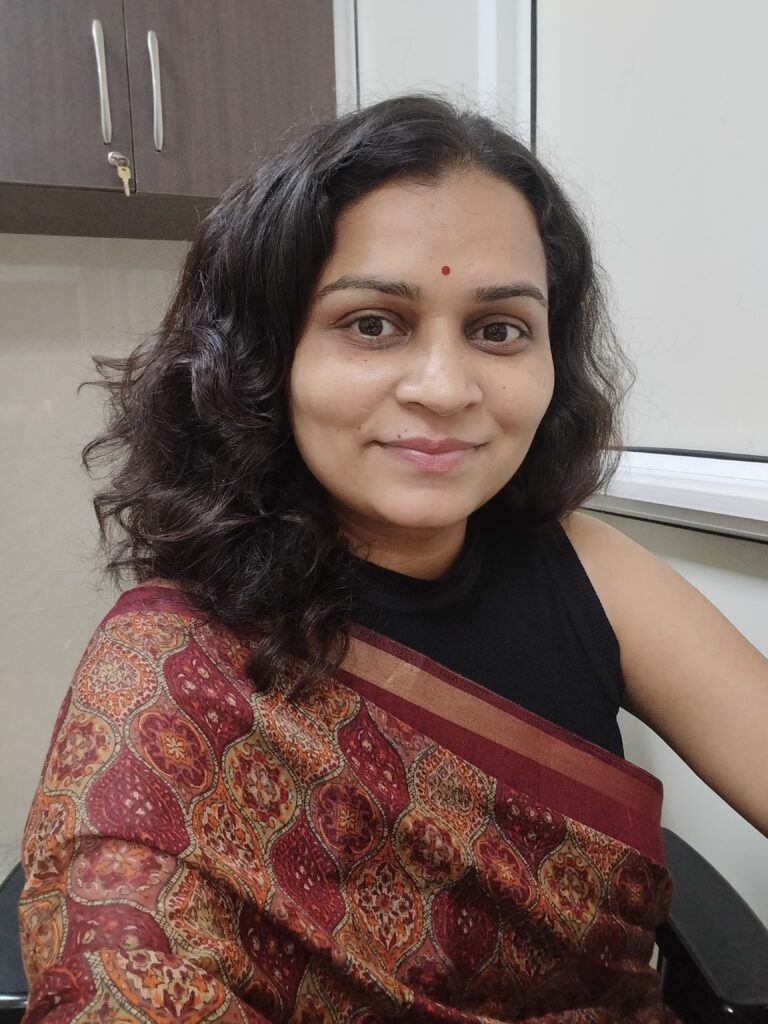
The Asia-Oceania Federation of Organizations for Medical Physics (AFOMP) is celebrating its 25th anniversary this year, a milestone that reflects not only the growth of a regional organization but also the resilience, collaboration, and dedication of its members. To mark this occasion, AFOMP hosted a panel interview with its founding members: Dr. K Y Cheung, Dr. Anchali Krisanachinda, and Dr. Kwan Hoong Ng. The conversation, moderated in a live panel style by Dr. Rajni Verma, provided an opportunity to look back at the organization’s beginnings, celebrate its achievements, and discuss a vision for the future.
When AFOMP was established, the idea of bringing together medical physicists from such a vast and diverse region was ambitious. The founding members reflected on the challenges of creating a federation across different languages, healthcare systems, and levels of professional development. Dr. Cheung noted that “we had to start from scratch. Building unity across countries with such diversity was both daunting and inspiring.” Dr. Krisanachinda recalled, “we were driven by passion, not resources. What united us was the belief that medical physics could truly improve healthcare in our region.” Dr. Ng emphasized the importance of trust, explaining that “the friendships and trust we built were as important as the science. Those bonds carried us through many early challenges.” Their reflections highlighted that AFOMP was not only built on professional goals but also on personal commitment and volunteerism.
From those modest beginnings, AFOMP has grown into a respected regional body that represents medical physicists across Asia and Oceania. The founders expressed pride in the achievements of the past 25 years, including the development of training programs and workshops to support professional growth, enhanced collaboration with international organizations, and the launch of communication and educational platforms that allow knowledge to be shared more widely. The quick shift to online education during the COVID-19 years was identified as a turning point, ensuring continuity and even expanding AFOMP’s reach. The establishment of a well-maintained and resource-rich AFOMP website was also praised, as it has become a central hub for knowledge sharing, networking, and showcasing the federation’s activities. Most importantly, the growth of young professionals taking active roles was celebrated as the true measure of AFOMP’s progress. As Dr. Krisanachinda remarked, “seeing young physicists step up with confidence and fresh ideas that’s the real success.”
As AFOMP enters its next quarter-century, the founding members were united in their belief that medical physics education must evolve to meet the demands of modern healthcare. Training must go beyond traditional radiological physics, with competencies in communication, leadership, and interdisciplinary collaboration embedded into formal education programs. Artificial Intelligence is reshaping healthcare, from diagnostic imaging to adaptive radiotherapy, and must be recognized as an essential part of the medical physics curriculum. Future professionals should be equipped not only to use AI tools but also to critically evaluate, guide, and innovate with them. Dr. Ng summarized this vision clearly when he said, “AI is shaping healthcare. If our curriculum does not reflect this reality, we risk being left behind. AFOMP has the responsibility to prepare medical physicists for this future.”
In closing, the founders offered heartfelt advice to young physicists. Dr. Cheung reminded them that challenges will always remain, but collaboration turns them into opportunities. Dr. Krisanachinda encouraged them never to lose the spirit of volunteerism, as that is what keeps AFOMP strong. Dr. Ng urged the next generation to lead with service, not just ambition.
The 25th anniversary of AFOMP is not just a celebration of the past but also a call to shape the future. From overcoming early struggles to building a strong community and now preparing for the era of AI, AFOMP’s journey reflects the values of dedication, collaboration, and vision. The founders’ reflections make it clear that AFOMP is more than an organization it is a family. As the next generation of medical physicists steps forward, equipped with renewed curricula and empowered by AI-driven innovation, the federation is poised for an even brighter and more impactful future.