Md Jabidul Islam1, Md Anwarul Islam1, Hasin Anupama Azhari1, Golam Abu Zakaria1, Mr. Dinesh Saroj3, Suresh Poudel2, Ranjanbhakta Bhandari2, Surendra Bahadur Chand2, Shivaji Poudel2
1South Asia Center for Medical Physics and Cancer Research, Dhaka, Bangladesh.
2B P Koirala Memorial Cancer Hospital, Bharatpur, Chitwan, Nepal.
3Balco Medical Centre, a Unit of Vedanta Medical Research foundation, New Raipur, Raipur Chhattisgarh, India.
In the evolving landscape of oncology, stereotactic radiotherapy has emerged as a cornerstone in the treatment of small-to-medium tumors in anatomically sensitive or surgically inaccessible regions. With a growing emphasis on precision and personalized cancer treatment, advanced high-dose techniques such as Stereotactic Radiosurgery (SRS), Stereotactic Radiotherapy (SRT), and Stereotactic Body Radiotherapy (SBRT) are transforming clinical outcomes worldwide.
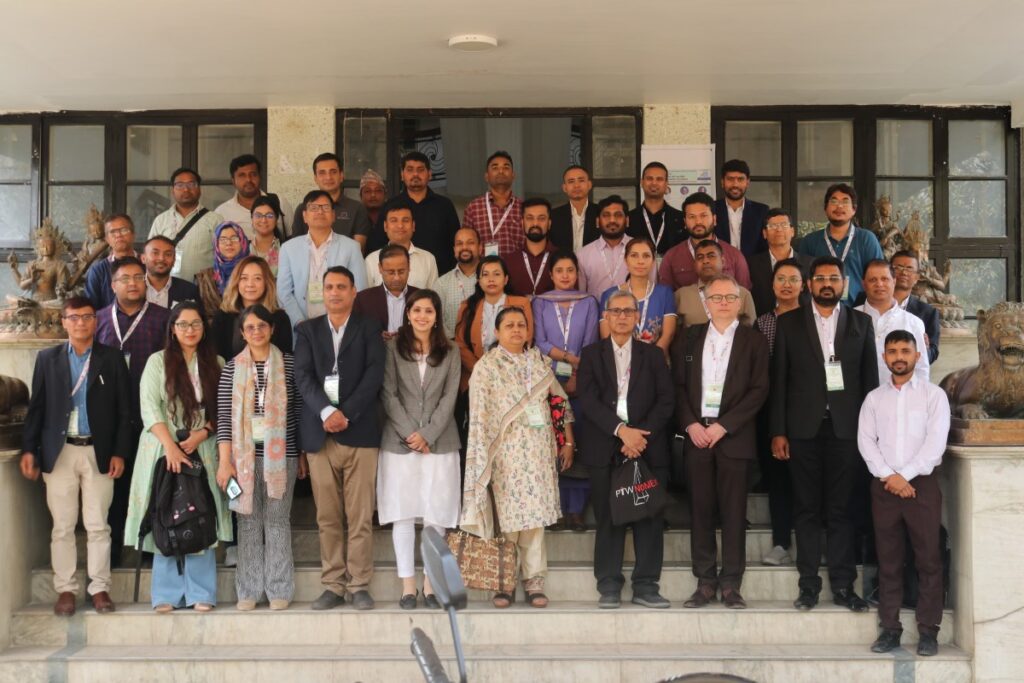
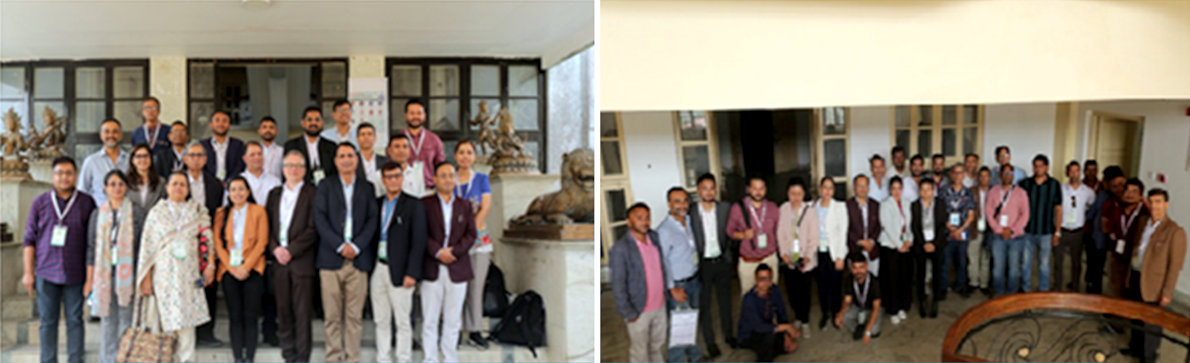
A significant milestone in promoting these techniques in South Asia was marked by the SCMPCR HW-08, a four-day international hands-on workshop jointly organized by the South and Central Asia Medical Physics Collaboration and Research (SCMPCR), B.P. Koirala Memorial Cancer Hospital (BPKMCH), and Bhaktapur Medical College, held from March 13–16, 2025 in Bharatpur and Bhaktapur, Nepal.
This workshop represented a powerful example of cross-border collaboration in medical physics and clinical oncology. It brought together 42 participants from Nepal, India, and Bangladesh, and an esteemed faculty from Germany, Belgium, Switzerland, the Netherlands, and India, creating a vibrant platform for education, hands-on training, and knowledge exchange.
Bridging Clinical Insight and Technical Excellence
One of the workshop’s defining features was its interdisciplinary format. Sessions were tailored for both medical physicists and radiation oncologists, acknowledging that the implementation of stereotactic techniques depends on synchronized teamwork. While radiation oncologists determine eligibility, contour targets, and set treatment strategies, medical physicists ensure the technical precision through dose calculations, planning algorithms, and rigorous quality assurance (QA).
The workshop emphasized a dual-track structure with collaborative modules, where participants alternated between clinical contouring, radiobiological discussions, treatment planning, and QA workflows.
Day 1: Fundamentals and Clinical Framework
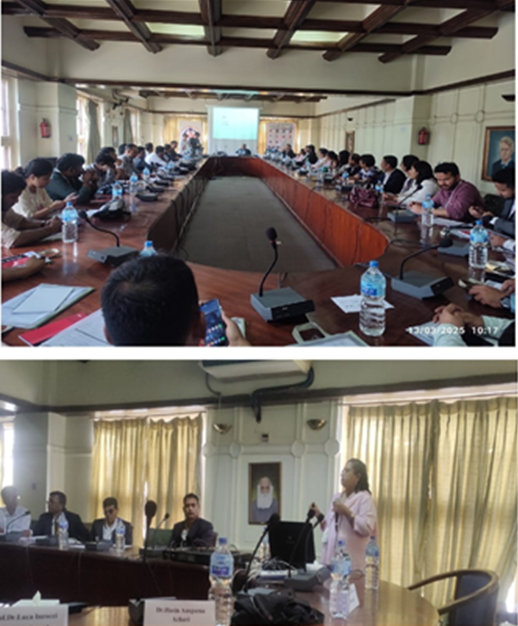
The first day began with a warm registration at BPKMCH, followed by an introductory keynote by Dr. Raju Srivastava (Belgium) outlining the core principles, applications, and clinical decision-making for SRS, SRT, and SBRT. Subsequent lectures by Dr. Sarbani Ghosh Laskar (India) and Dr. Robert Semrau (Germany) focused on anatomical delineation, contouring strategies for head and neck cancers, and image-guided radiotherapy challenges.
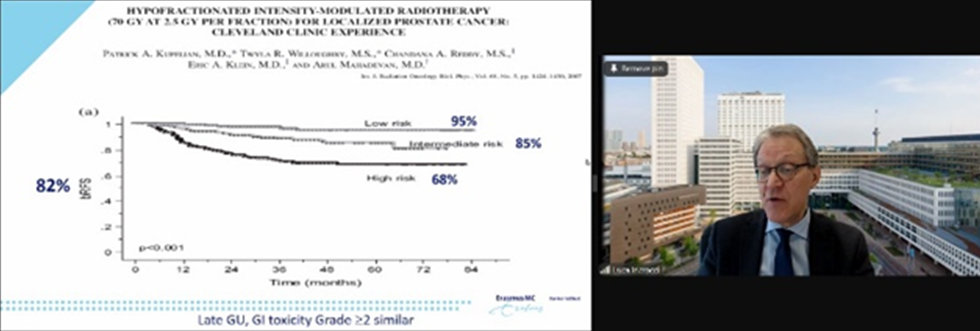
Online lectures by Dr. Janine Simons (Netherlands) and Prof. Luca Incrocci (Netherlands) highlighted the clinical applications of hypo-fractionation in breast and prostate cancers respectively, referencing key trials such as Fast-Forward and HYPO-RT-PC.The day concluded with warm interactions over a traditional Nepali lunch at Chitwan Garden Resort, where international and regional participants exchanged ideas and experiences.
Online lectures by Dr. Janine Simons (Netherlands) and Prof. Luca Incrocci (Netherlands) highlighted the clinical applications of hypo-fractionation in breast and prostate cancers respectively, referencing key trials such as Fast-Forward and HYPO-RT-PC.The day concluded with warm interactions over a traditional Nepali lunch at Chitwan Garden Resort, where international and regional participants exchanged ideas and experiences.
Day 2: Radiobiology, Planning, and Quality Assurance
The second day began with Dr. Ghosh Laskar’s session on radiobiology—explaining the LQ model, BED, and EQD2—which provided essential theoretical grounding for high-dose per fraction therapies.
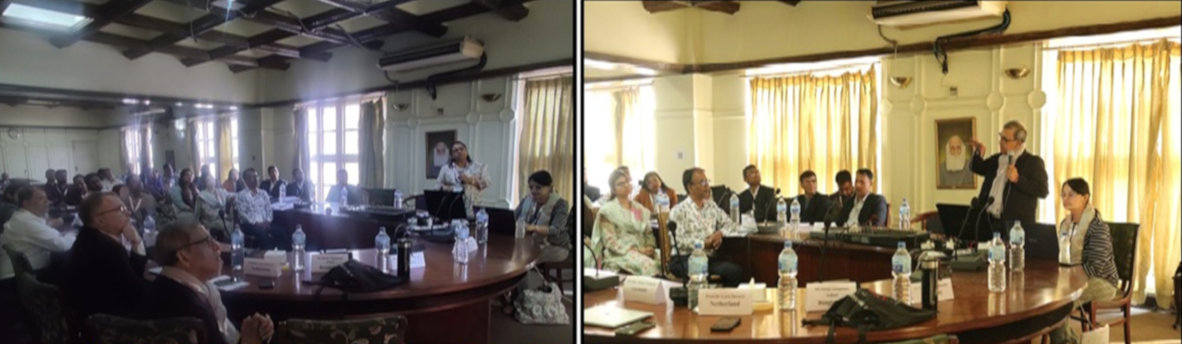
This was followed by Prof. Dr. Golam Abu Zakaria (Germany) delivering a comprehensive session on patient-specific QA, including absolute dose verification, gamma index analysis, and stereotactic-specific tools.
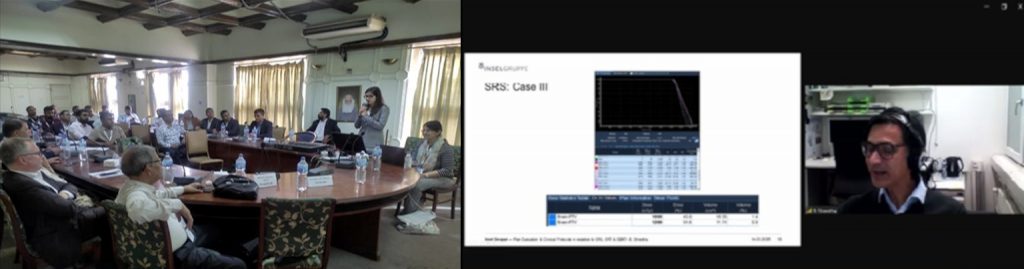
Later, Ms. Tanya Bahl (Varian) introduced HyperArc, an advanced planning solution for non-coplanar cranial SRS, known for its steep dose gradients and automated workflows. She also addressed 4D CT scanning, MR fusion, and RGSC.
Dr. Binay Shrestha (Switzerland) joined online to present clinical protocols for various tumor sites, while Mr. K. Kanakavel (PTW, India) concluded with a hands-on demonstration of RUBY and OCTAVIUS 4D QA systems, showing practical steps for end-to-end testing and QA validation.
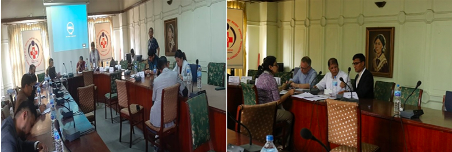
In the evening, the official inauguration ceremony was held with dignitaries including Prof. Dr. Anjani Kumar Jha (Vice Chair, Nepal Medical Council), Dr. Bijay Raj Neupane (Chairman, BPKMCH), and leaders from SCMPCR. Prof. Zakaria and Prof. Dr. Hasin Anupama Azhari (CEO, SCMPCR) shared the vision of expanding SCMPCR activities across South Asia, advocating for equity in cancer care and promoting clinical innovation.
Day 3: Hands-on Learning and Practical Application
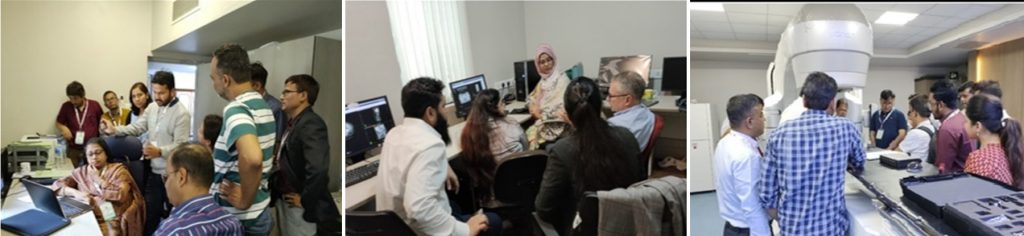
The third day focused on practical skill development. Participants were divided into two groups:
- Group A (Radiation Oncologists) performed target contouring, image fusion, and plan evaluations under expert guidance.
- Group B (Medical Physicists and RTTs) explored QA procedures, including Winston-Lutz isocenter verification, dose delivery analysis, and log file interpretation using PTW systems.
Later sessions led by Dr. Binay Shrestha and Prof. Zakaria introduced evaluation metrics like Conformity Index (CI), Homogeneity Index (HI), Gradient Index (GI), and Dose-Volume Histograms (DVH) for assessing plan quality.
Participants also practiced 4DCT fusion with PET-CT and reviewed contour discrepancies in a peer-feedback model. This integration of real patient data and expert interaction created a powerful learning environment.
Day 4: Evaluation, Certification, and Shared Vision
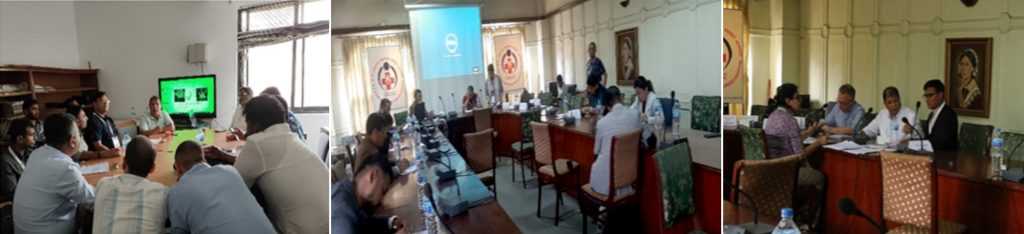
On the final day, an academic evaluation tested participants’ comprehension of the workshop topics. Most participants passed with distinction, earning 38 EBAMP-accredited Continuing Professional Development (CPD) points, recognized by professional licensing authorities.
A certificate distribution ceremony followed, where participants, faculty, and organizers reflected on the academic rigor, logistical excellence, and hospitality experienced during the workshop.
Prof. Zakaria urged all participants to continue engaging through SCMPCR’s newsletters, projects, and upcoming regional initiatives. He reaffirmed SCMPCR’s commitment to supporting institutions like BPKMCH in clinical implementation of advanced techniques and encouraged the formation of more collaborative training programs across the region.
Participant Reflection: A Transformative Journey
One participant eloquently summarized the experience:
“Participating in this workshop was more than academic—it was transformative. The integration of lectures, clinical cases, and hands-on sessions deepened my understanding of high-precision radiotherapy. Interacting with peers and experts across South Asia fostered a spirit of collaboration that I will carry forward in both my clinical and academic journey.”
Beyond the lectures and QA sessions, participants also enjoyed the serene surroundings of Chitwan, including visits to the Royal Chitwan National Park, where they observed local wildlife like one-horned rhinos and elephants—highlighting the unique blend of scientific pursuit and cultural experience.
Conclusion
The SCMPCR HW-08 workshop was a landmark event in advancing precision radiotherapy in South Asia. It successfully blended theoretical insights, hands-on training, and interdisciplinary collaboration to equip healthcare professionals with the tools and mindset required for modern cancer care.
Thanks to the leadership of SCMPCR, BPKMCH, and Bhaktapur Medical College, and the enthusiastic participation of professionals from across the region, this event not only enhanced clinical expertise but also reinforced the shared vision of building an equitable, high-quality radiotherapy infrastructure across borders.