During the year 25/26, the Hong Kong Association of Medical Physics (HKAMP) continued to support the continuous professional development of its members through the organisation and co-organisation of scientific seminars, workshops and lectures. This report provides an overview of the key activities undertaken.
Key Activities Organized:
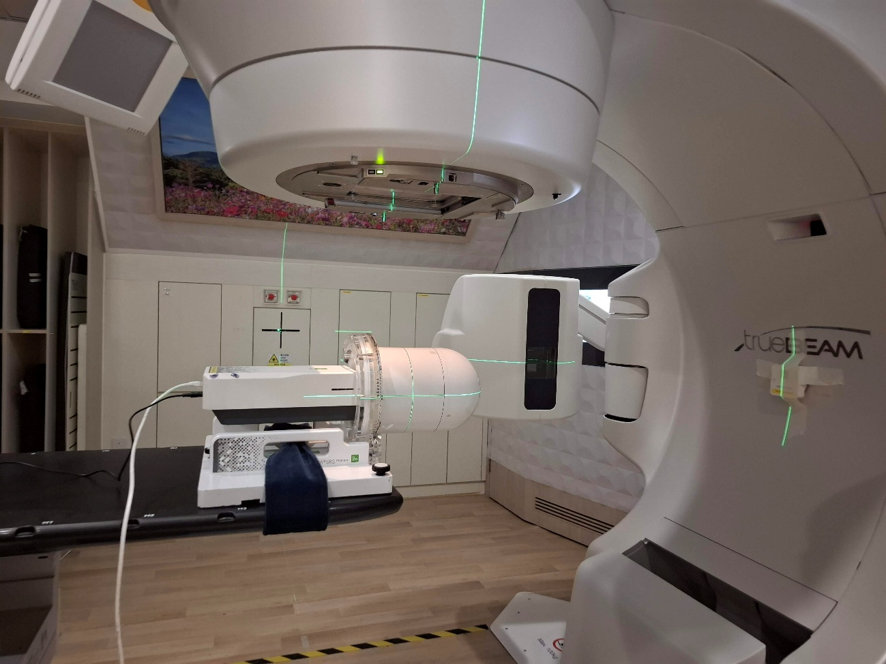
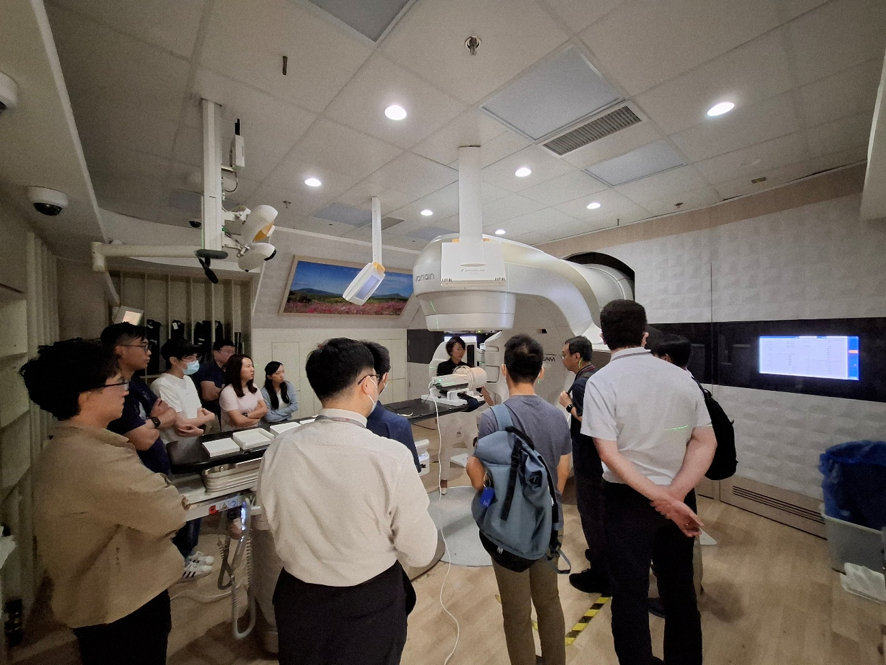
1. Workshop on ‘Versatile QA with Revolutionary Film-class Resolution Measurement Tool’ (28 June 2025)
Two identical half-day workshops (morning and afternoon sessions) were held in Queen Mary Hospital. The invited speaker, Ms. Kuan-Chuan YEH from IBA Dosimetry (board-certified Medical Physicist by ABR and CSMPT with over 15 years of clinical experience), delivered presentations and practical sessions on the high-resolution film-class measurement tool. Topics covered included commissioning for small fields, SRS patient-specific QA, and extended applications of the detector
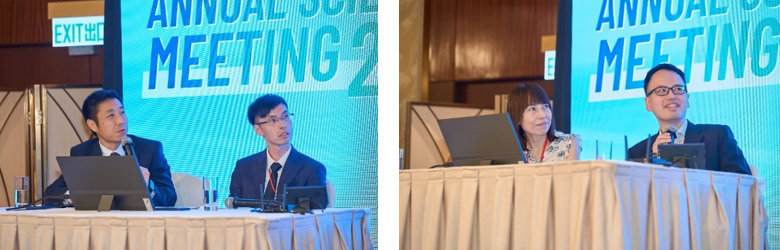
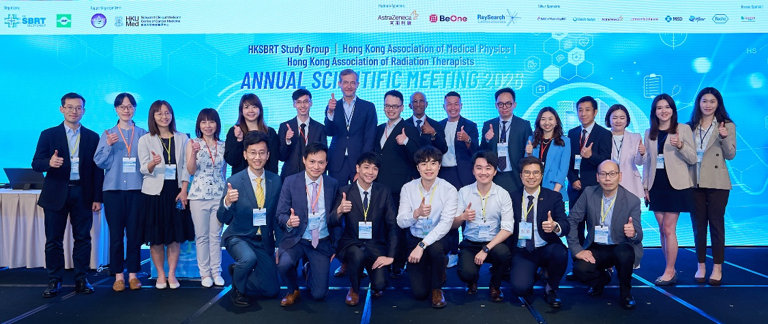
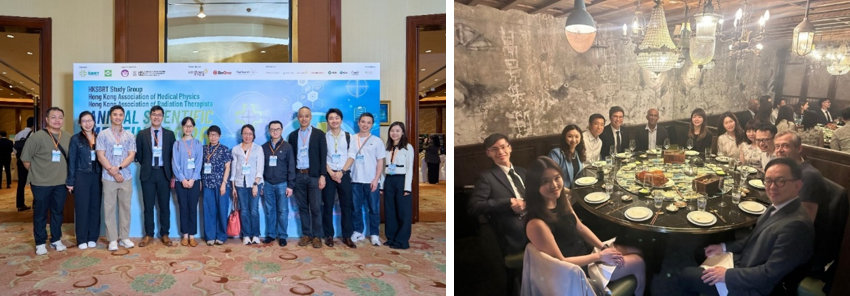
2. HKSBRTSG-HKAMP-HKART Annual Scientific Meeting 2026 (2 May 2026)
This scientific meeting was co-organized with the Hong Kong SBRT Study Group (HKSBRTSG) and the Hong Kong Association of Radiation Therapists (HKART), and attracted approximately 230 attendees, including oncologists, medical physicists and radiation therapists. The programme focused on adaptive radiotherapy and the combination of SBRT with immunotherapy. Keynote lectures were delivered by overseas speakers including Prof. Suresh Senan (Amsterdam UMC), Prof. Mischa Hoogeman (Erasmus MC / HollandPTC) and Prof. Melvin Chua (National Cancer Centre Singapore), together with local experts. The meeting provided a valuable platform for multidisciplinary exchange and networking.
3. HKAMP Engineering Physics Lecture 2026 (9 & 16 May 2026)
A two-day lecture series was held at The Hong Kong Polytechnic University with the objective of preparing Resident Physicists for the HKAMP Part I & II Examination. Topics covered included fundamentals of the Varian linear accelerator and Halcyon system, CT simulator principles, HDR brachytherapy remote afterloader systems, Tomotherapy, electrical safety testing, clinical system network architecture, radiation protection essentials, and equipment project management. Lectures were delivered by experienced local medical physicists and the event was open to all HKAMP members.
Other Engagement
In addition to the events organised by the Association, HKAMP circulated information on 34 local and international scientific seminars, webinars and conferences throughout the year. Examples include various AFOMP educational webinars (addressing AI-guided radiotherapy, FLASH techniques, spatially fractionated radiotherapy and regional practice), International Medical Physics Week 2026 activities, AsiaSafe-IAEA sessions on theranostics and radionuclide dosimetry, HKRPS seminars, the 5th Annual Conference of PTCOG-AO, and programmes offered by local academic institutions. These announcements helped members stay informed of current developments in the field.
Conclusion The HKAMP provides a wide variety of educational activities, and works together with different institutes and other disciplines (such as oncologists and radiation therapists) to keep up our professional standard.