
By Martin Bendel
In 2024, Röntgenpraxis am Marstall, a private radiotherapy group in Germany, embarked on a transformative journey to enhance patient positioning and monitoring through the implementation of Surface Guided Radiation Therapy (SGRT) using the LUNA 3D system by LAP. As a radiooncologist and partner at the practice, I am pleased to share our practical experiences, clinical insights, and the collaborative spirit that turned our project into a success story.
A Question of Precision: Why SGRT?
With over 3,000 patients treated annually across five linear accelerators and multiple certified oncology centres, precision and patient comfort are critical to our clinical philosophy. SGRT offers technical advantages—markerless setup, sub-millimetre accuracy, and enhanced treatment reproducibility—and crucial “soft skills” benefits, such as reducing patient anxiety and improving quality of life through non-invasive procedures.
Making the Choice: A Collaborative and Transparent Process
Selecting an SGRT system requires more than a technical comparison. Our decision-making was truly interdisciplinary. Physicists, therapists, and physicians collectively evaluated all vendors via presentations, site visits, and hands-on testing. We prioritised workflow integration, compatibility with existing Elekta LINACs, and ease of use. LUNA 3D excelled in all criteria. Having relied on LAP lasers for years, we trust the company’s reliability and technical service.
Implementation: A Logistical and Educational Achievement
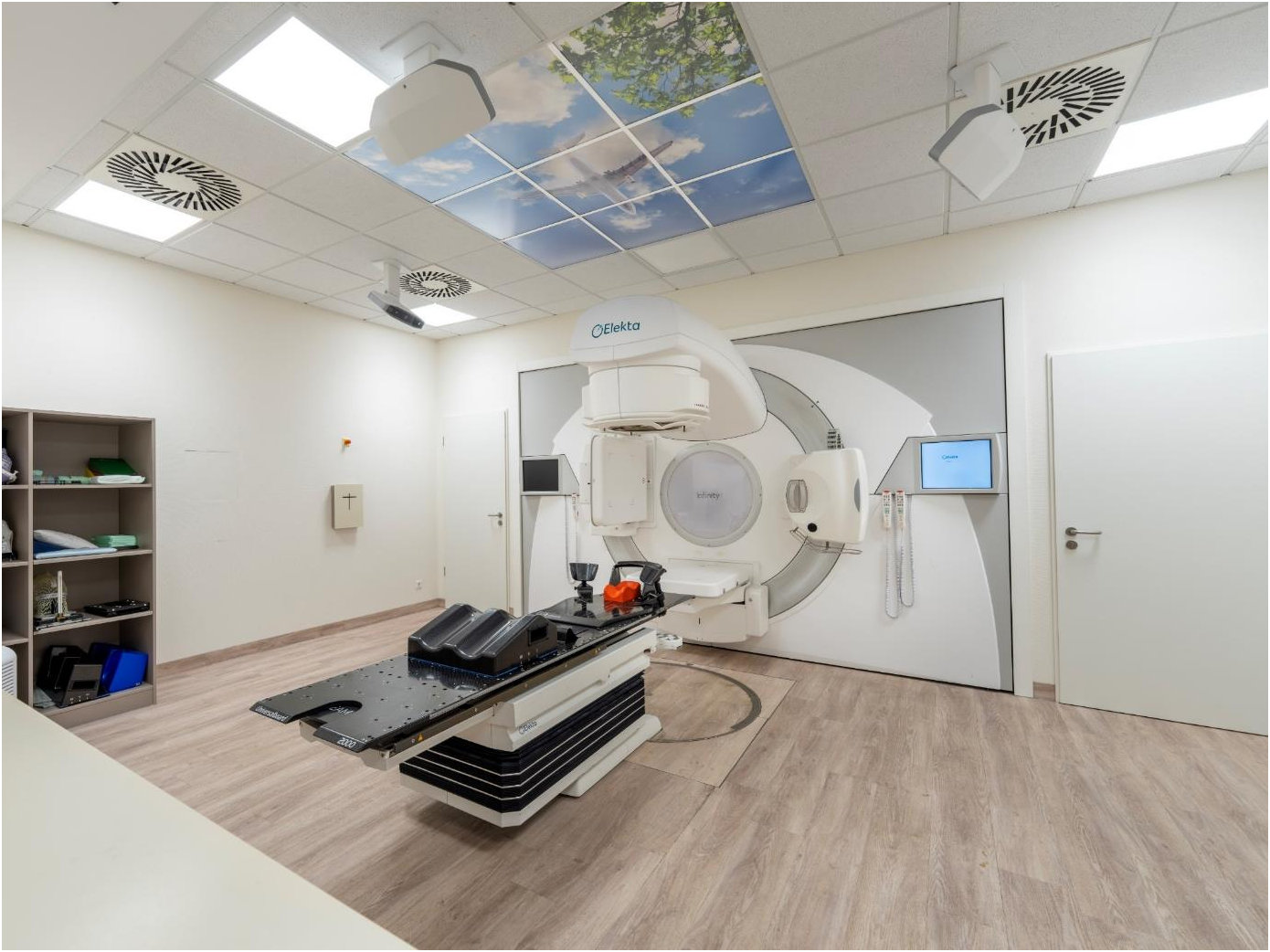
Our entire infrastructure was upgraded within ten months from initial discussions to clinical use. LAP’s team provided thorough support, aligning IT systems, DICOM-RT interfaces, and room configurations across three sites. The result? A seamless six-week installation covering five LINACs (2 Synergy, 1Infinity and 2 Versa) and two CT units (1Siemens go! Sim and 1 Siemens Somatom Confidence). (see Figure 1)
Staff Training: Embracing the Change
Training was key to acceptance. We began with immersive sessions at LAP’s headquarters in Lüneburg, Germany, and on-site, role-specific instruction. LAP Academy’s digital modules and application specialists ensured high engagement. DIBH modules and future-focused features were introduced with clarity and enthusiasm.
Clinical Integration: From Trial to Triumph
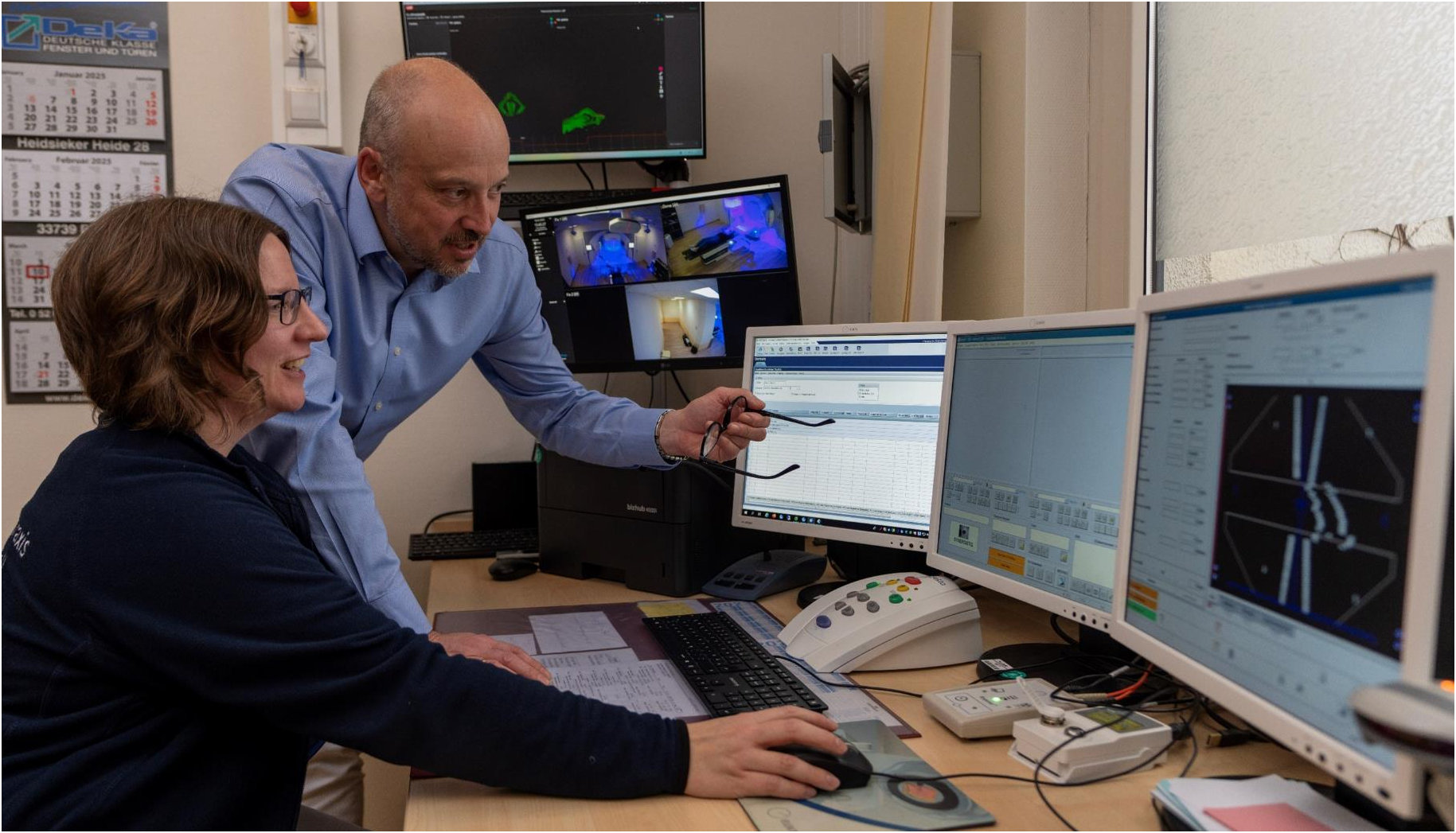
Our staff quickly appreciated the LUNA 3D interface’s intuitiveness. Selected patients were treated using LUNA 3D and traditional LAP lasers. Cone Beam CT comparisons confirmed accuracy and reproducibility. By launch, the new system was rolled out across nearly all indications, with immediate buy-in from our multi-disciplinary team. (see Figure 2)
Looking Ahead
We’re now testing new immobilisation masks for cranial treatments and implementing LUNA 3D in DIBH, SBRT, and SRS protocols. Beyond technology, this journey underscored a more profound truth: when clinical, technical, and logistical minds unite, innovation becomes achievable and sustainable.

Author Bio:
Dr. Martin Bendel is a radiooncologist and partner at Röntgenpraxis am Marstall, Germany. He is passionate about integrating cutting-edge technologies to improve patient outcomes and treatment precision in radiation oncology.